

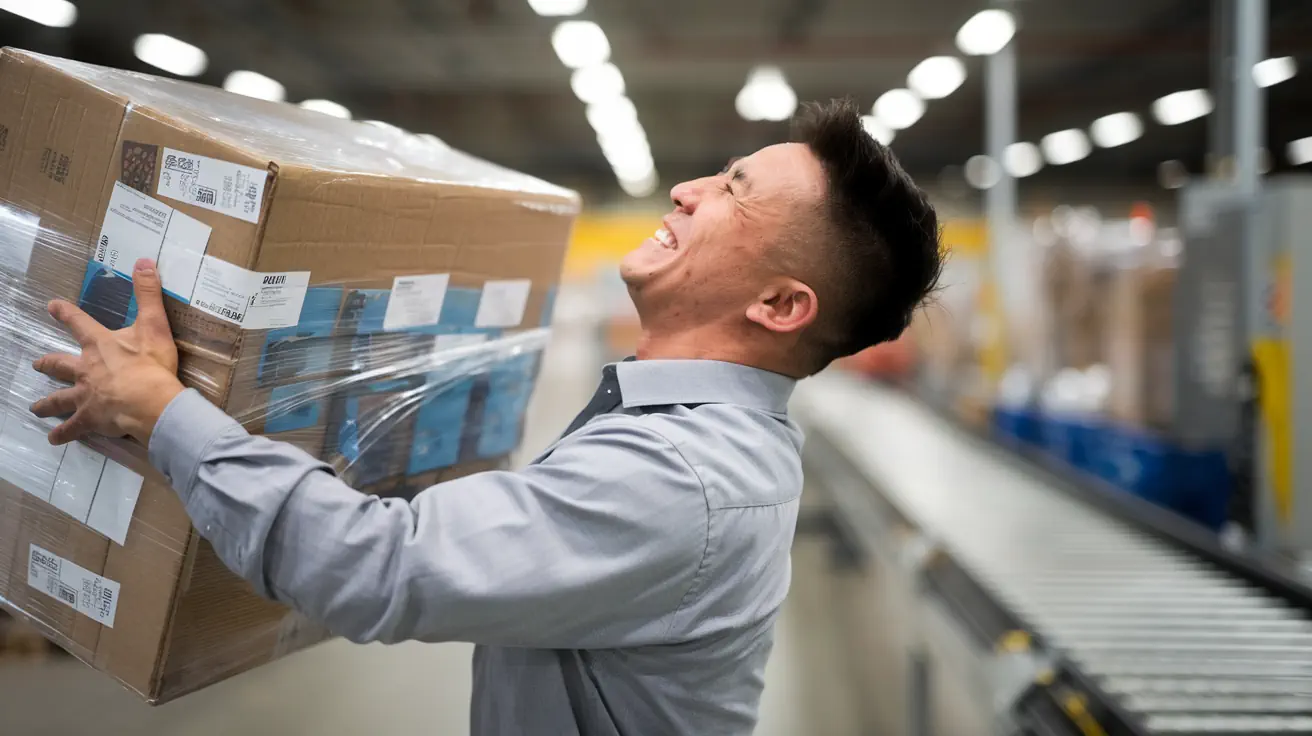
Learn what manual handling is, why it matters, and how the right training could protect your back, your health, and your job.
Every day, thousands of Australians lift, carry, push, or pull objects at work—and every day, many of them are injured doing it. These aren’t always dramatic injuries. Sometimes it’s just a twinge in the back or a tight shoulder. But over time, those minor strains can turn into chronic pain, missed work, or even long-term disability.
That’s why understanding and applying safe manual handling techniques isn’t just good practice—it’s essential for your health, career, and team.
So… What Is Manual Handling?
Manual handling refers to any activity that involves using your body to move something: lifting, lowering, pushing, pulling, carrying, or holding. You’ll find it in nearly every job—from aged care and nursing to warehouse and retail roles.
It might seem simple. But the human body isn’t designed to handle repeated strain, especially without the right technique or support. And too often, people only learn that lesson after they’re already injured.
The Real-World Cost of Getting It Wrong
In Queensland alone, over 4,400 young workers are seriously injured on the job each year—many from poor manual handling. These are preventable injuries. They’re not just numbers; they’re people whose lives and livelihoods are affected.
Take this real case: a worker at a biscuit factory pulled his back lifting trays from a vibrating grader machine. The result? Sharp pain and stiffness that worsened by the next day. He was prescribed strong painkillers, needed time off work, and had to ease back into his duties with reduced hours. He required physiotherapy to recover. Thankfully, his employer had a solid rehab plan in place—but not everyone is so lucky.
This kind of injury doesn’t just affect your back—it affects your life. The stress, the frustration of being in pain, the worry about lost income or not being able to do your job properly. It all adds up. You don’t want that for your life, your future, or your team.
And that’s just one case. The types of injuries caused by poor manual handling are many:
- Lower back strains and disc injuries
- Shoulder and neck strain
- Hernias
- Sprains and ligament tears
- Chronic musculoskeletal disorders
- Repetitive strain injuries (RSIs)
- Pinched nerves and tendonitis
Even something as small as twisting while lifting can trigger serious consequences. One poor lift could set off a chain of pain that lasts weeks—or years.
Why Is Manual Handling Training Important?
Because your body matters. And your team’s safety matters too.
We meet too many people who say, “I wish I knew this 10 years ago.” They’re dealing with chronic pain, mobility issues, or even forced retirement because of injuries that could’ve been avoided with better training.
We also meet employers who’ve faced compensation claims, lost productivity, and low morale—just because staff weren’t properly trained.
Safe manual handling isn’t just about lifting correctly. It’s about:
- Recognising risks before they turn into injuries
- Knowing when to use equipment or ask for help
- Understanding how your body moves and how to protect it
- Building a workplace culture that values health and safety
If you could avoid an injury with a few hours of smart training—why wouldn’t you?
Learn to Do It Right – Manual Handling Course Brisbane
At My First Aid Course Brisbane, we’re not just ticking boxes. We care about creating safer workplaces and healthier bodies. That’s why we deliver high-quality, nationally recognised training that actually makes a difference.
HLTWHS005 – Conduct Manual Tasks Safely
- $125 per person (group discounts available)
- 2 hr EXPRESS onsite practical session
- 2–3 hrs online theory (self-paced)
- Delivered across Brisbane & South East QLD
Our course can help you to:
- Recognise hazards and manage manual task risks
- Apply correct lifting, pushing, and carrying techniques
- Use equipment safely and confidently
- Understand their responsibilities under WHS laws
We bring the training to you. Whether you’re in aged care, healthcare, retail, or trades—we tailor the session to your team’s real-world tasks.
This means more than training. It’s injury prevention. It’s care. It’s peace of mind.


